Happy Mile Run Club · Launched
Running as community infrastructure
Role
Timeline
Members
Partnership
Overview
What if a run club felt like a social product, not a race calendar?
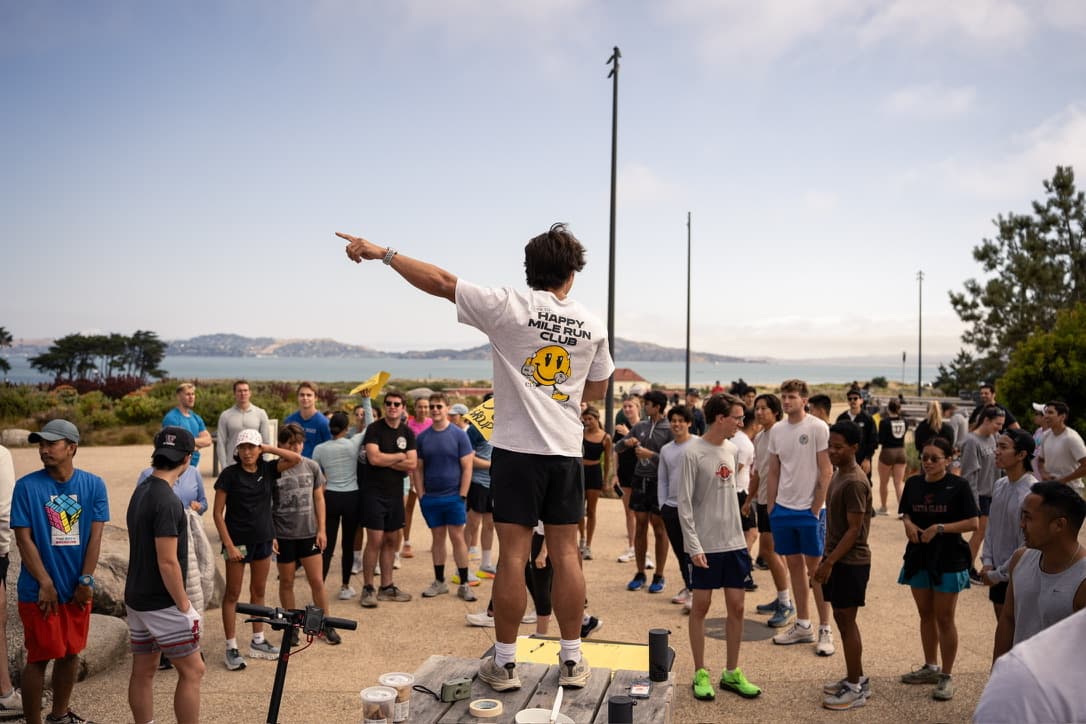
Happy Mile filled a gap in SF for free, young, social running. The product was the weekly experience - and the growth loop was belonging plus brand partnerships that made membership valuable without a paywall.
Community design
Make showing up easy, social, and repeatable - fitness as the excuse, people as the reason.
Partnership flywheel
Trade audience attention for member benefits with local businesses and brands.
Content engine
Document the culture so every run recruits the next one.
Problem
Serious running scenes left out the social middle.
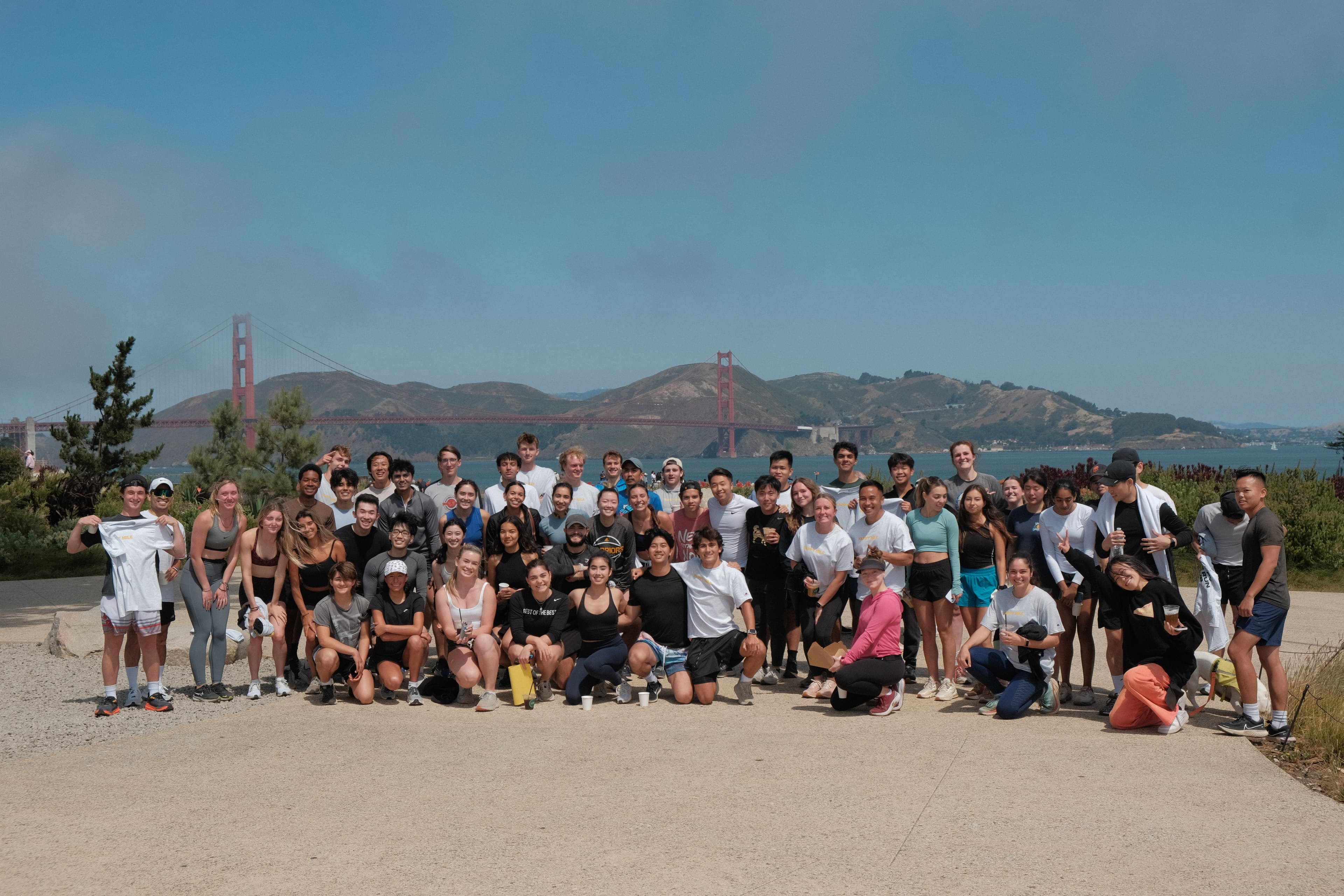
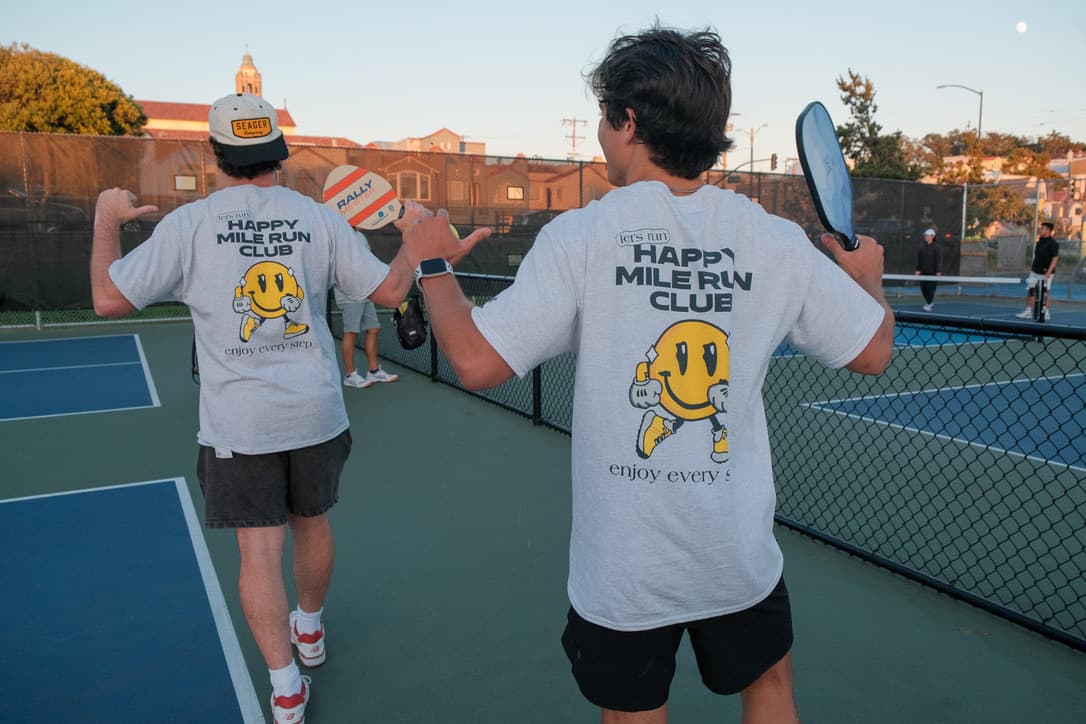
SF had elite training groups and casual jogs - not enough free, fun, young communities that felt welcoming on day one. People wanted fitness without gatekeeping.
Opportunity
Belonging is the retention mechanic.
If the club becomes a social graph people are proud of, growth compounds through invites - and brands pay to be adjacent to that energy.
Solution
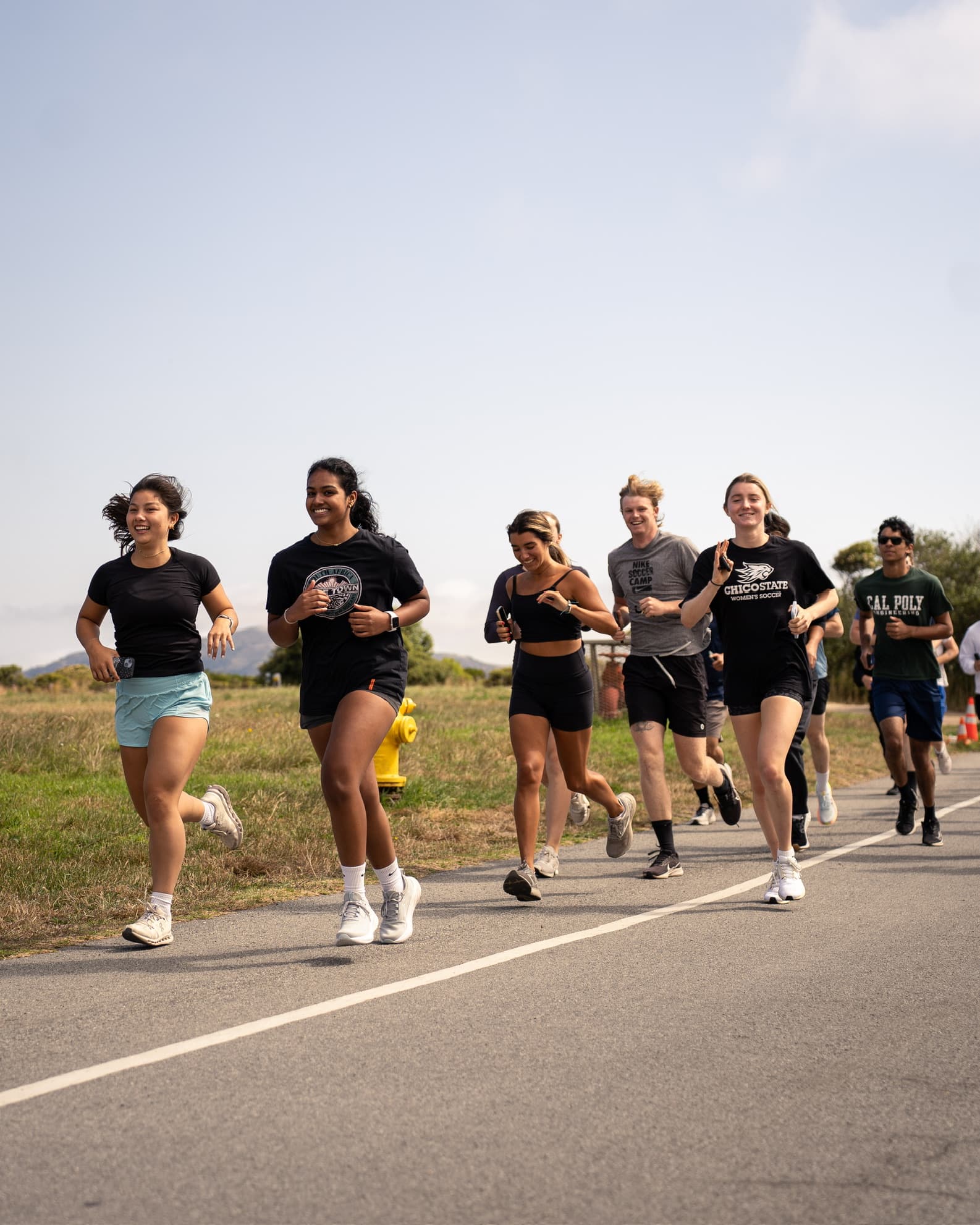
Happy Mile: free runs, real community, brand-backed benefits.
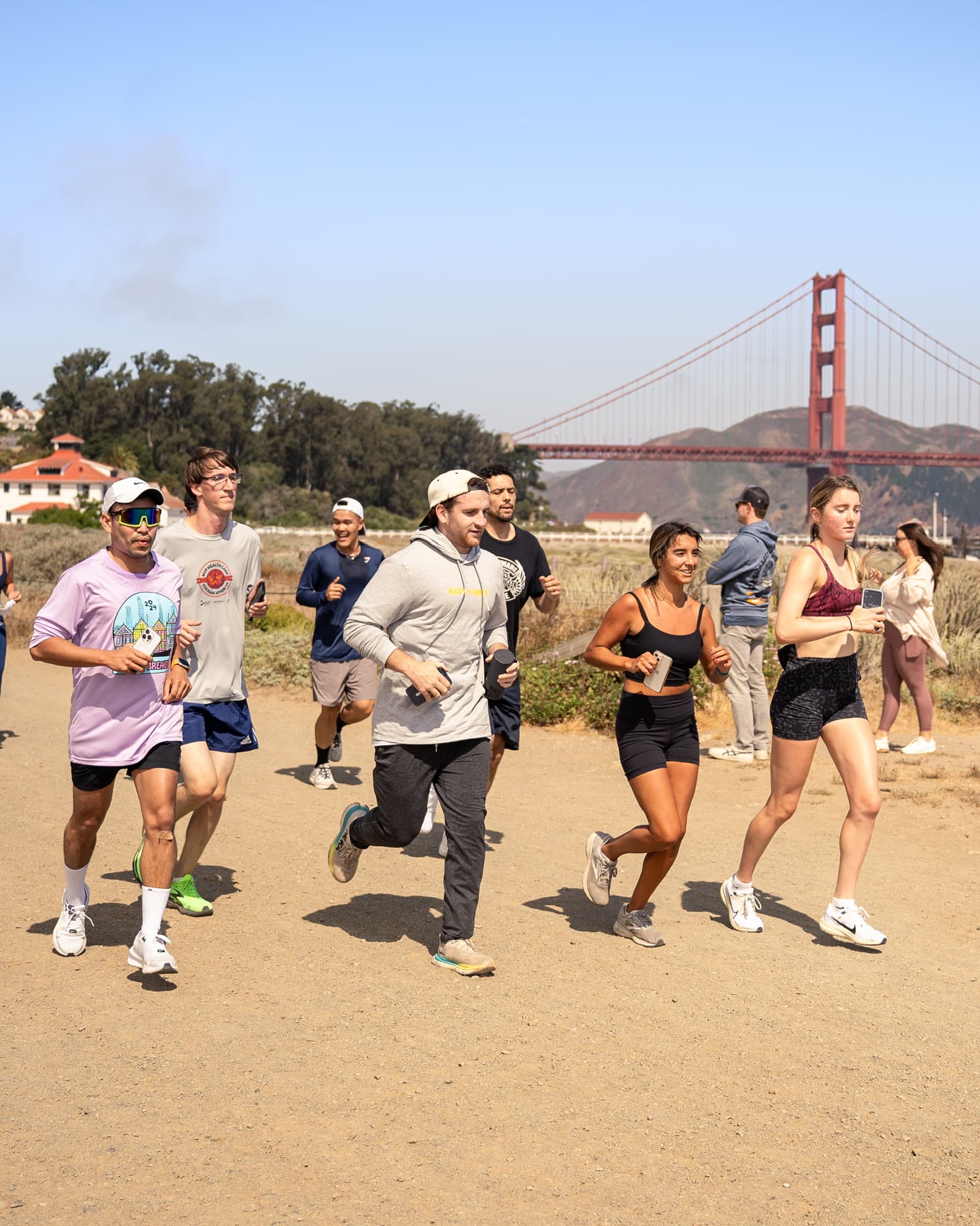
Weekly group runs, a loud social presence, and partnerships (including Nike) that give members tangible upside while keeping entry free.
How it scaled
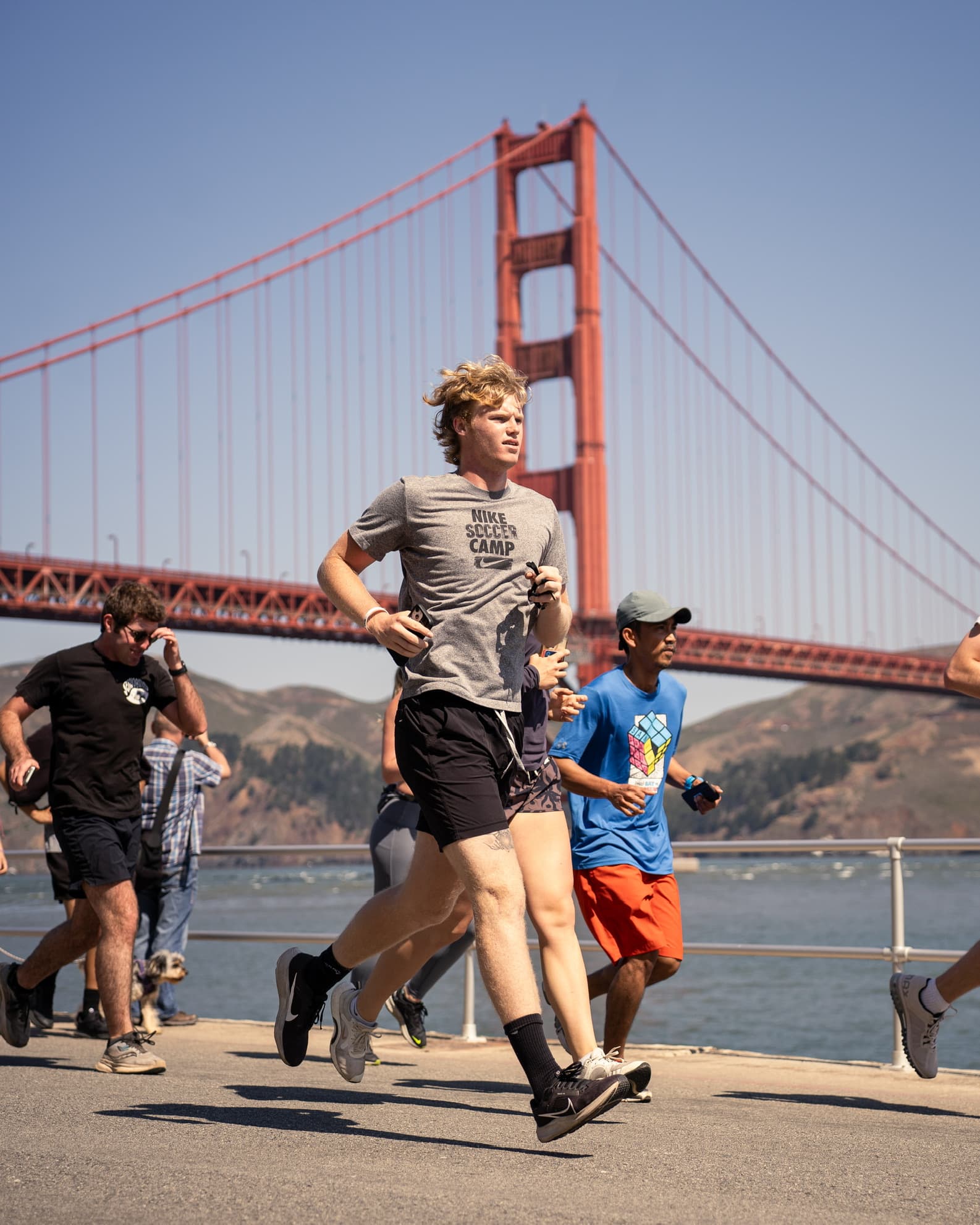
Culture first, then leverage.
Weekly ritual
A predictable cadence so the club becomes habit, not a one-off event.
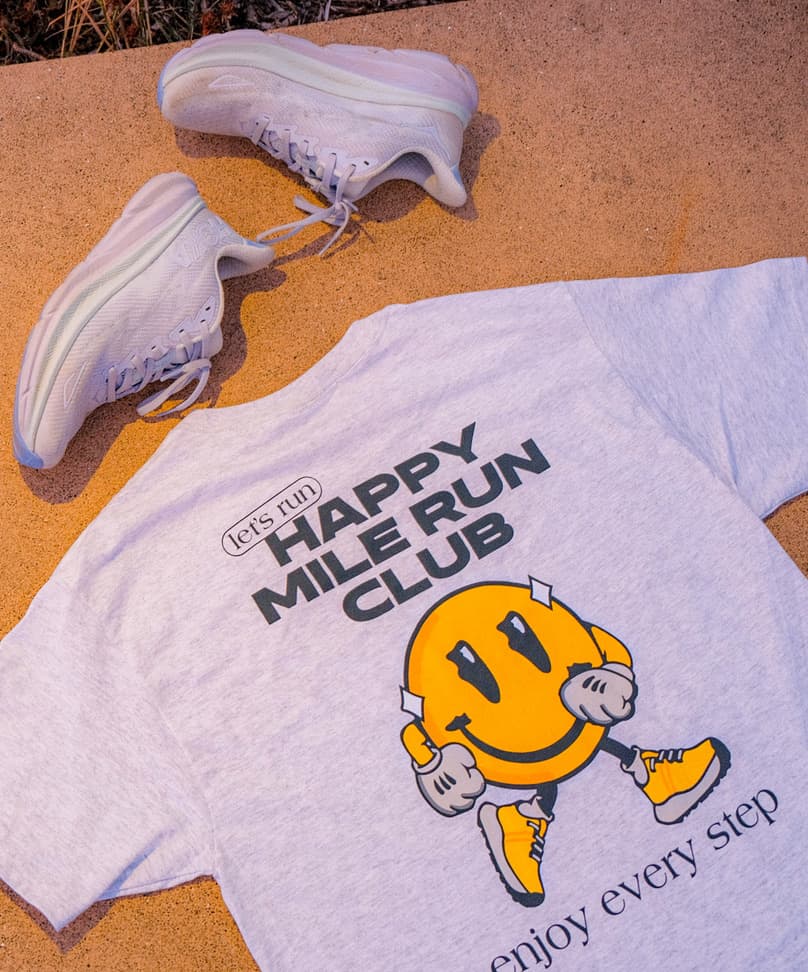
Brand partnerships
Package community attention into sponsorships that fund benefits - not bureaucracy.
Storytelling
Photography and social clips turn each run into recruiting creative.
Outcome
From local club to recognized community brand.
3,000+ members
A community large enough to matter to partners - and to each other.
Nike partnership
Proof the culture was valuable beyond the starting line.
Media + expansion
Local press coverage and interest in bringing the model to other cities.
Reflection
What I learned
Community is a product.
The run is the interface. The real system is trust, cadence, and who people meet.
Partners follow culture.
Sponsorships showed up after the vibe was undeniable - not before.